


Throughout its relatively short history, the Saint Lucia Sports Academy has been the subject of debate over the rationale for its establishment, its current standing and its potential for expansion.
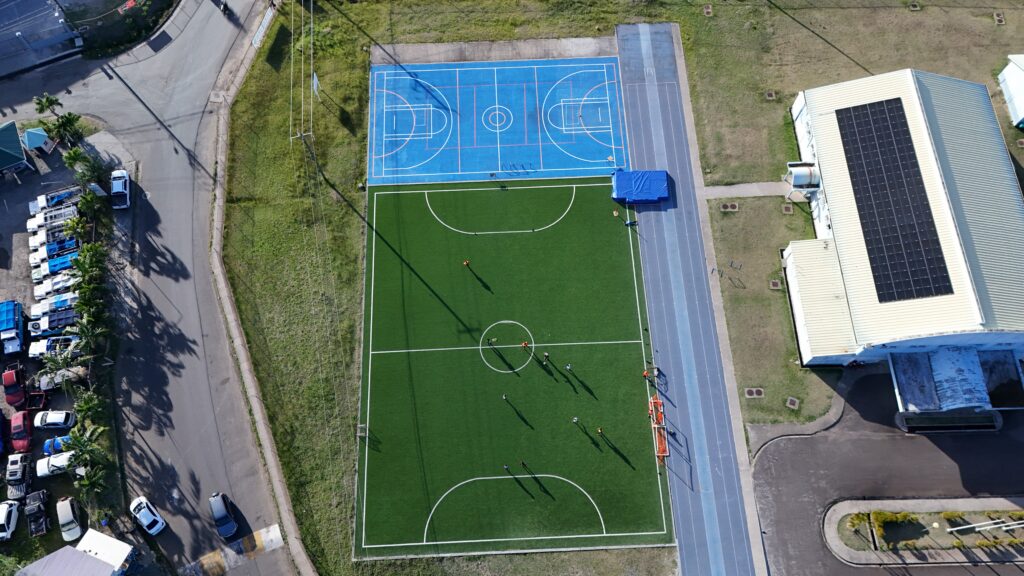
Formerly the Gros Islet Secondary School, the Sports Academy, which enters its ninth year of operation in 2026, was founded as the island’s first and still only boarding school dedicated to balancing high-level athletic training with academic studies.
While the school has generally achieved podium finishes in three major disciplines – track and field, cricket, and football – the highly competitive nature of school athletics raises questions about whether these athletes, who allegedly focus on their disciplines for extended periods, are truly developing their craft as they should.
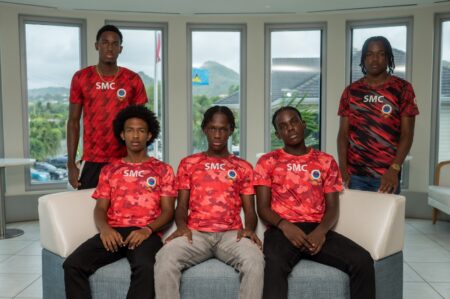
Legacy institutions like Sir Arthur Lewis Community College (SALCC), St Mary’s College (SMC), and Soufriere Comprehensive continue to win major championships, particularly at the senior (Under-19) levels.
It is not all doom and gloom for the institution, however, as students like Nyla Jules, Kayla Polius and Theo Edward have shone on the national stage.
Principal of the school, Delia Alcindor-Charles, told St Lucia Times that she was personally proud of the performances of the athletes from the school, regardless of what the public perception from the outside looking in is. She noted that school often struggles to get the cream of the crop when it comes to athletic talent and has done well with the cohort they have.
“We’ve been around for a few years now, and I’m very impressed. We are very pleased with the performance of our students at Island Champs. This year, we placed third, and we were particularly pleased with the performance of our girls. We don’t have too many girls yet. They delivered for the Sports Academy and were featured in every race.”
“We did not really get the best athletes, but from what I’m seeing, the coaches are getting the students to deliver at a very high level. We work with the students that we have…and this is what I really love about the skill development of the students when they come in, and where they are within two or three years.”
She further appealed to the public to support the institution’s efforts towards development.
St Lucia Times also reached out to various voices across the local sports and education landscapes to gain further insight, starting with the man behind the school’s vision.
SLSA was established under the prime ministership of Allen Chastanet. In an interview, Chastanet, now Leader of the Opposition, revealed that the vision for the school was born of his own experiences at boarding school, coupled with existing institutions of a similar nature in Caribbean countries such as Jamaica.
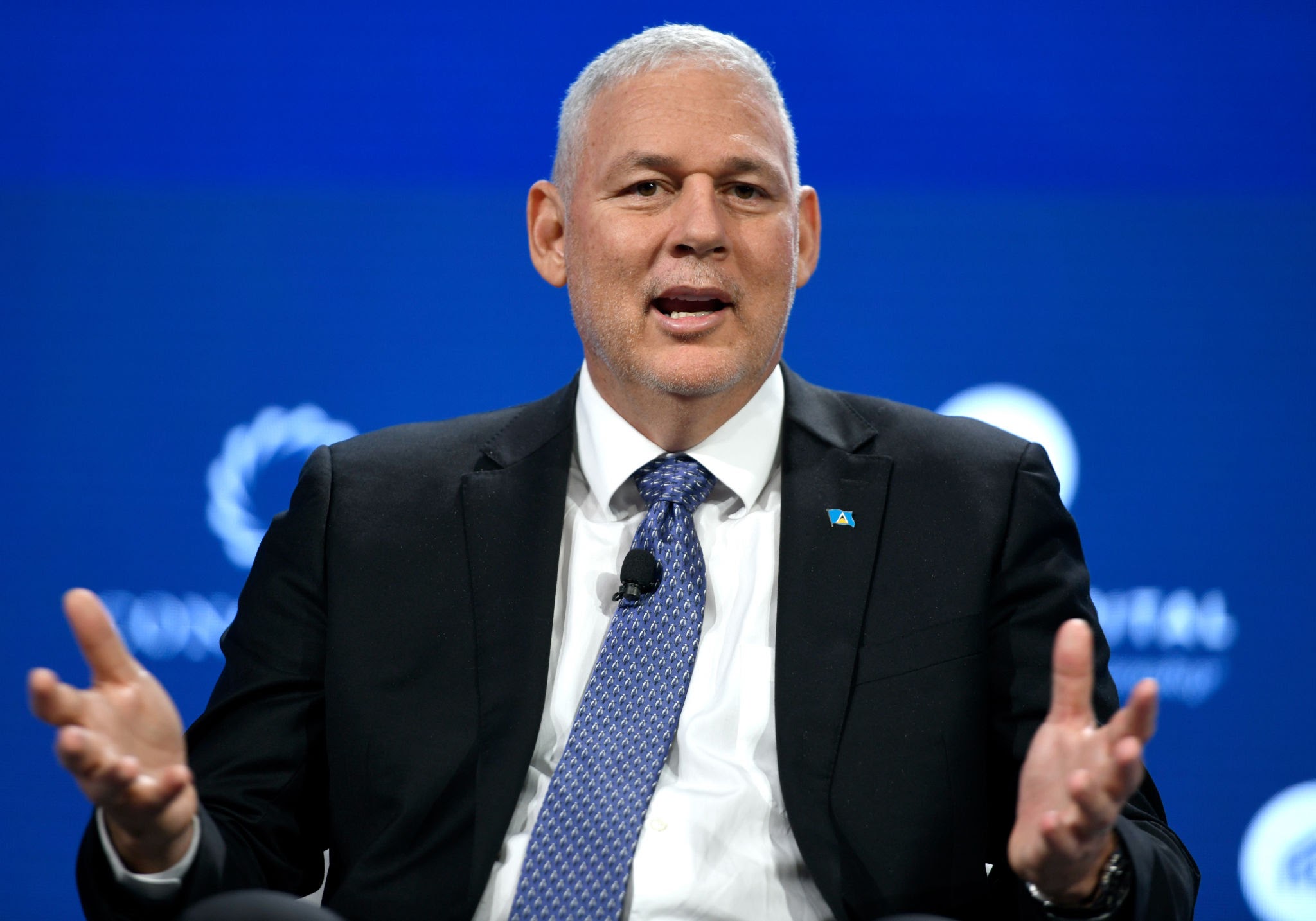
“The purpose of the academy was to identify star athletes, to put them in an environment in which they can continue to grow academically, but continue to develop and perfect their skills as an athlete,” he said.
“When … I went to a boarding school. I noticed how, as a small school – 110 boys – we were number one in Canadian football, basketball, track and hockey… playing against schools that had anywhere between 3,500 and 10,000 students. What I understood differentiated us is that we lived together. We ate together. And that’s what team sports requires.
“So coming back to Saint Lucia and being on a national basketball team and playing sports in Saint Lucia, the first thing that stood out is that national teams really were not reflective of Saint Lucia.”
Chastanet lamented that the institution has not grown into what he hoped it would, despite achieving a few noteworthy milestones throughout its history. He noted that the school was supposed to be a feeder programme for national teams and provide a platform for students to access tertiary institutions via scholarships. Further, he hoped the school would have a robust media programme, including community newspapers and broadcasting.
He believes the institution failed to achieve this and has morphed into a sports academy “in name only” because it lacks the vital components needed to thrive.
“You go there, the nutritionist is not there… The physical training is in and out. Do we have the best coaches in each discipline? Is the academic programme now working to suit the lifestyle of an athlete? Have we seen reinvestment in terms of what the dorms look like and the foods that they’re feeding? It is certainly better than what we had before, which was nothing. But is it fulfilling its mandate? No.”
Kenson Casimir has a deep vested interest in the school’s development for multiple reasons. He was recently appointed Minister of Education, in addition to his previous portfolio of Youth Development and Sports, reuniting the two ministries after years of separation.
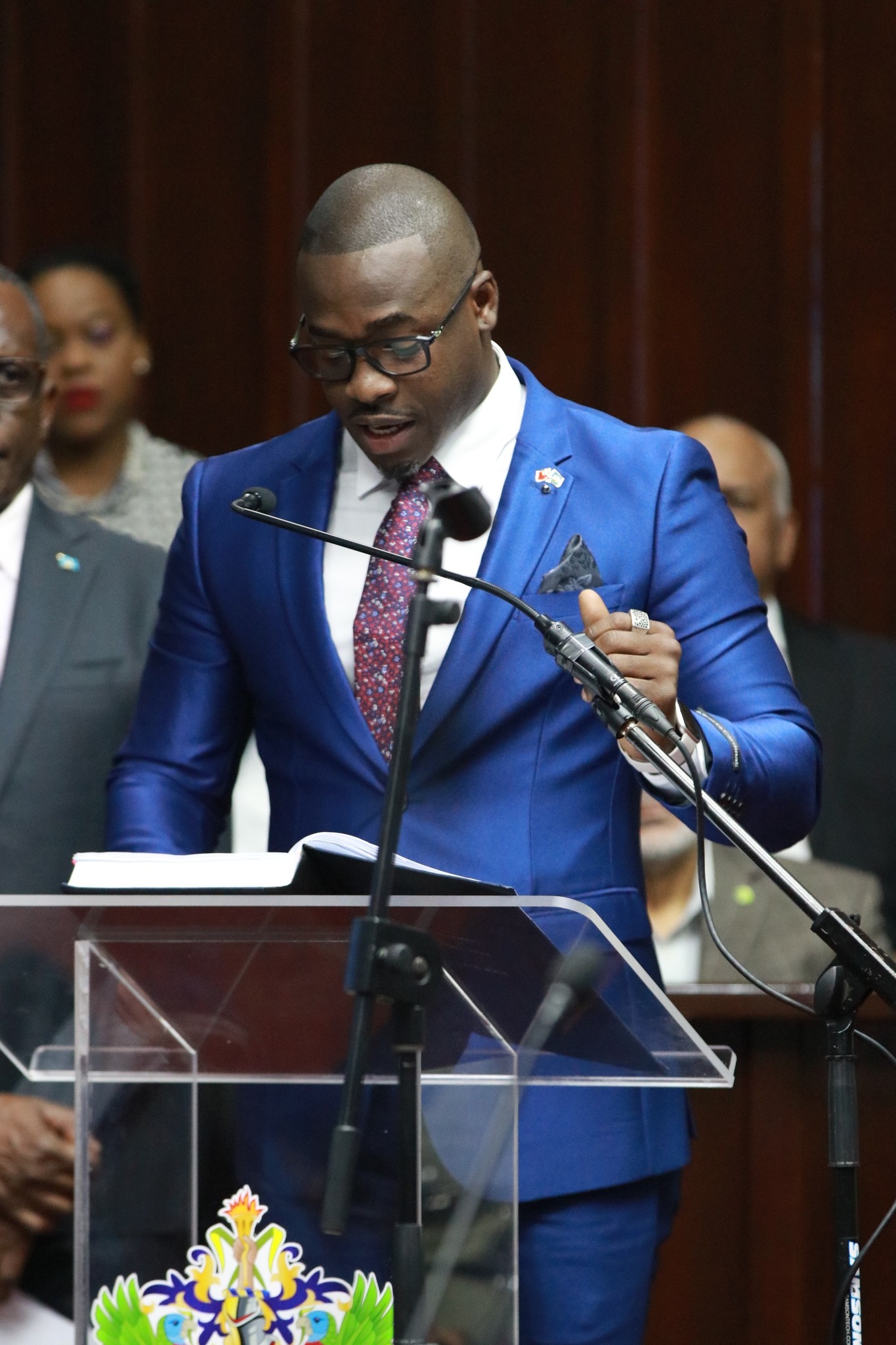
The reunification provides an opportunity to address glaring challenges at the school, including the fact that, while it was operated under the auspices of the Ministry of Education, its budget had always been under the Ministry of Sports, creating bureaucratic red tape that, according to reports, often got in the way.
In an interview with St Lucia Times, Casimir revealed plans for a comprehensive transformation of the school, starting with its name and eventually its core curriculum.
“Now that I am the Minister of both Education and Sport, we are setting up a committee to really look at the transition. We campaigned and said in our manifesto that we would transition that school from the Saint Lucia Sports Academy to the Levern Spencer Institute of Sport Excellence. So, we are putting the necessary logistics together and hopefully, within a year or 16-month period, we can have that transition.”
For further insight, we reached out to Cyrus Cepal, District Education Officer in the Ministry of Youth Development and Sports. Cepal is a long-standing educator and respected sports administrator who currently serves as the District Education Officer for District One, the area where the Sports Academy is situated.
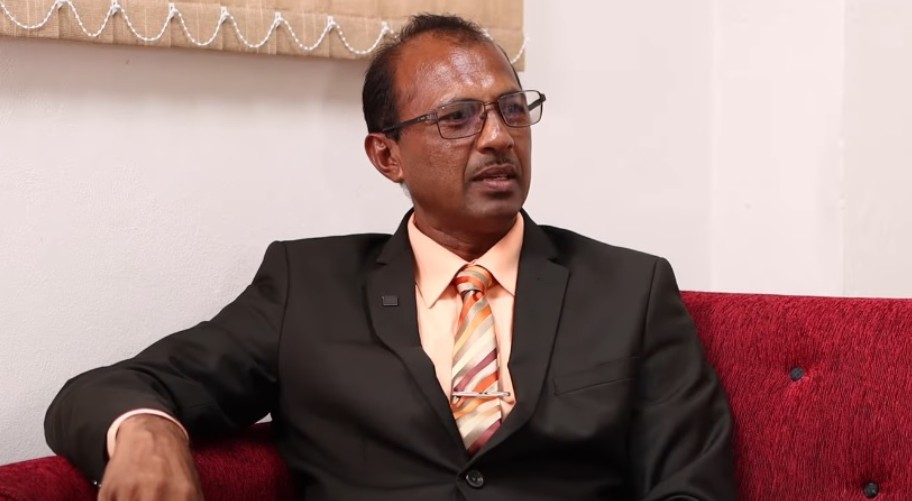
While he admitted that the school is not where it should be currently, he believes that the path towards an elevated standard of education and sporting excellence is clear.
“The whole idea of a sports academy is never there to just simply accommodate everybody, but it is to identify the potential in students, those who really have the ability to move to the next level,” he said. “The school is well on its way to doing that. Are we there yet? No, we are not there yet because we are still fighting with the idea of trying to integrate the whole idea of sports and academics.
“If a parent wants a school with pure academics, they will go to the [Saint Joseph’s] Convent, the [Saint Mary’s] College, [Leon Hess Comprehensive Secondary School] and the [Castries Comprehensive Secondary School]. But then if you want to develop a well-rounded child, where they will excel in sports – track and field, football, cricket, name it – and also do well in academics, then the Sports Academy is the school to be at.”
Cepal emphasised that the academy needed to revise its curriculum to allow students more time to participate in and practice sports. He explained that flexible scheduling was essential, with some sessions in the afternoon and certain training sessions in the morning.
He further noted that a differentiated training approach was required for top athletes, stressing that elite performers could not simply train alongside everyone else. According to him, a structured programme was necessary to provide elite athletes with significantly more training time to elevate them to the next level.
Cepal also mentioned that additional staff, including dorm parents and coaches, might be needed to support the academy’s growth.
But he added, “We need to market the school more.”
While Casimir, Chastanet and Cepal may differ on how to initiate change at the school, they all agree that it must come soon.